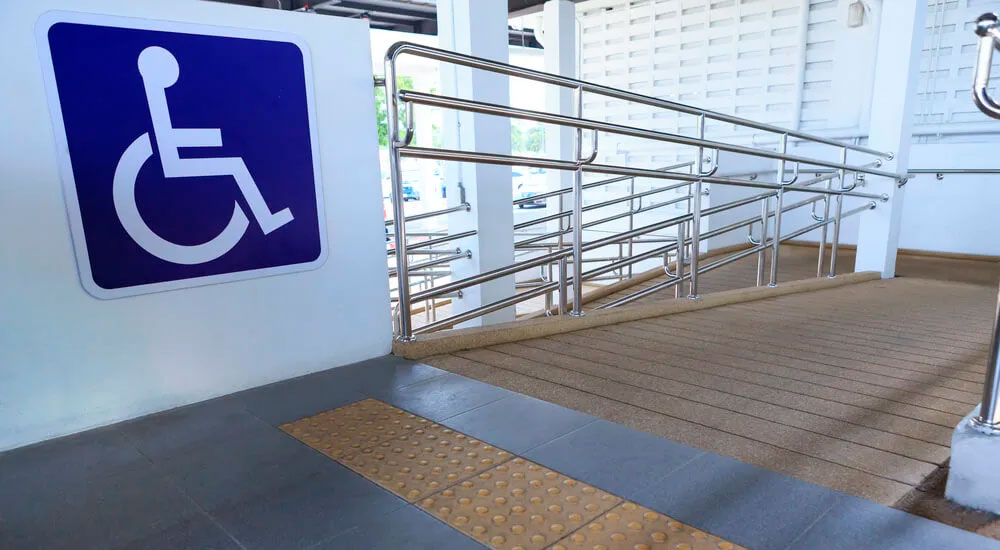
The Crucial Role of ADA Accessibility in Commercial Building Inspections

In today’s business environment, inclusivity and accessibility are more important than ever. Ensuring that commercial properties are compliant with the Americans with Disabilities Act (ADA) is not just a legal requirement but also a moral obligation. At Faultline Building Inspection, we understand the significance of ADA accessibility in commercial building inspections and the positive impact it has on businesses and communities.

Why ADA Accessibility Matters

Legal Compliance

The ADA was enacted in 1990 to protect the rights of individuals with disabilities. Under the ADA, commercial properties must be accessible to all individuals, regardless of their physical abilities. Non-compliance can lead to significant legal repercussions, including fines, lawsuits, and damage to your business’s reputation. Ensuring that your property meets ADA standards during a commercial inspection helps you avoid these potential pitfalls.

Enhancing Customer Experience

Accessible facilities are essential for providing a positive experience to all customers. Features such as ramps, wide doorways, accessible restrooms, and clear signage ensure that individuals with disabilities can navigate your property with ease. By prioritizing accessibility, you demonstrate your commitment to inclusivity, which can enhance your brand image and attract a broader customer base.

Boosting Employee Productivity

An accessible workplace is crucial for employees with disabilities. When your property is ADA compliant, it ensures that all employees, regardless of their physical abilities, can perform their duties effectively. This not only boosts morale but also increases overall productivity. An inclusive work environment fosters diversity, which can lead to innovative ideas and a more dynamic team.

Increasing Property Value

Properties that are ADA compliant often have a higher market value. Potential buyers and tenants are more likely to invest in properties that meet all legal requirements and provide accessibility for all. An ADA-compliant property is future-proofed against potential legal challenges and appeals to a wider range of buyers, including businesses that prioritize inclusivity.

Key ADA Accessibility Features

During a commercial building inspection, it’s crucial to ensure that your property includes key ADA accessibility features. Here are some of the most important aspects to consider:

  • Entrances and Exits: Accessible entrances and exits are vital for allowing individuals with disabilities to enter and leave the building safely. Ramps, automatic doors, and clear signage are essential components of an ADA-compliant entrance.
  • Restrooms: Restrooms must be accessible to individuals with disabilities. This includes having adequate space for wheelchairs, grab bars for support, and accessible sinks and toilets. Ensuring that restrooms are ADA compliant is a critical aspect of a commercial inspection.
  • Parking: ADA-compliant parking spaces are crucial for providing access to individuals with disabilities. These spaces should be located near the building entrance and include clear signage. The spaces must also be wide enough to accommodate wheelchair lifts.
  • Pathways and Hallways: Pathways and hallways must be wide enough to allow easy navigation for individuals with disabilities. Clear, unobstructed paths are essential, along with adequate lighting and signage.
  • Elevators: For multi-story buildings, elevators must be accessible to individuals with disabilities. This includes having buttons at an appropriate height, auditory signals, and sufficient space for wheelchairs.

How Faultline Building Inspection Can Help

At Faultline Building Inspection, we are dedicated to ensuring that your commercial property meets all ADA accessibility standards. Our comprehensive inspection services include a thorough assessment of all accessibility features, providing you with detailed reports and actionable recommendations.

Ensuring ADA accessibility in commercial properties is not just a legal requirement but a fundamental aspect of creating inclusive and welcoming spaces for everyone. At Faultline Building Inspection, we are dedicated to helping you achieve and maintain ADA compliance. Contact us today to schedule a commercial building inspection and take the first step towards a more accessible and inclusive future.

For more information please contact us:

Gene Armstrong
(310) 849-1953
gene@faultlinebi.com
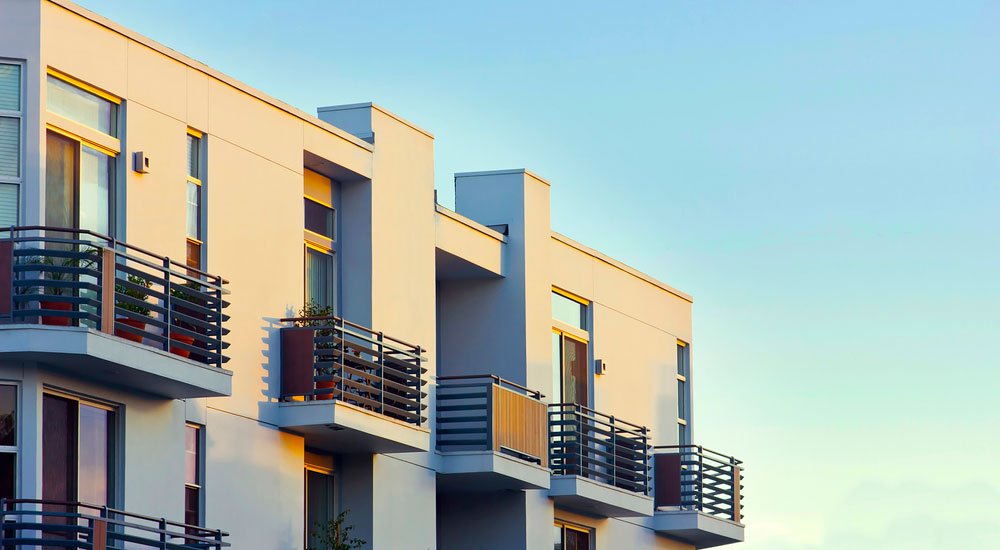
Understanding Senate Bill No. 721: Balcony Inspections in California

As a homeowner or property manager in California, staying informed about new legislation affecting property maintenance and safety is crucial. One such important piece of legislation is Senate Bill No. 721 (SB 721), which directly impacts the inspection and repair of exterior elevated elements (EEEs) in multifamily buildings. At Faultline Building Inspection, we aim to help you understand the implications of this bill and how our services can ensure your property complies with these new requirements.

What is Senate Bill No. 721?

Senate Bill No. 721, also known as the “Balcony Inspection Bill,” was signed into law in 2018 in response to several tragic incidents involving balcony collapses in California. This legislation mandates the inspection of EEEs such as balconies, decks, stairways, and walkways that extend beyond the exterior walls of multifamily residential buildings containing three or more units. The goal is to ensure these structures are safe, well-maintained, and free from hazards that could lead to injury or structural failure.

Key Requirements of SB 721

1. Regular Inspections: SB 721 requires that EEEs in affected buildings be inspected by a licensed architect, civil or structural engineer, or a certified building inspector or contractor. These inspections must occur at least once every six years to ensure ongoing safety and compliance.

2. Detailed Inspection Reports: Inspectors must provide a detailed report following each inspection, documenting the condition of each EEE. This report should include any signs of deterioration, water damage, or structural deficiencies that could compromise the integrity of the elements.

3. Timely Repairs: If an inspection reveals any issues, property owners must take immediate action to address and repair the problems. The law stipulates specific timelines for completing these repairs, depending on the severity of the identified issues.

4. Compliance Certification: Upon completion of required repairs, property owners must obtain certification of compliance from the inspector, confirming that all necessary work has been completed and the EEEs are safe for use.

How Faultline Building Inspection Can Help

At Faultline Building Inspection, we understand the importance of complying with SB 721 to ensure the safety of your tenants and protect your investment. Our experienced and certified building inspectors provide comprehensive inspection services to help you meet the requirements of this legislation. Here’s how we can assist:

1. Thorough Inspections: Our inspectors conduct detailed examinations of all EEEs, identifying any signs of wear, damage, or potential hazards. We use state-of-the-art tools and technology to ensure no detail is overlooked.

2. Comprehensive Reports: We provide clear, detailed reports that outline our findings, including photos and descriptions of any issues. Our reports also include recommendations for necessary repairs and maintenance.

3. Repair Guidance: If repairs are needed, we guide you through the process, helping you find qualified contractors and ensuring that all work meets the required standards.

4. Certification of Compliance: Once repairs are completed, we provide certification of compliance, giving you peace of mind that your property meets all SB 721 requirements.

Why Compliance Matters

Complying with SB 721 is not just a legal obligation but a critical component of maintaining a safe living environment for your tenants. Regular inspections and timely repairs can prevent accidents, reduce liability, and preserve the value of your property. Additionally, staying compliant can help you avoid fines and legal complications that could arise from non-compliance.

Conclusion

Senate Bill No. 721 is a vital piece of legislation aimed at ensuring the safety and structural integrity of exterior elevated elements in multifamily buildings. At Faultline Building Inspection, we are committed to helping property owners navigate the requirements of this law through expert inspections, detailed reporting, and comprehensive support.

If you own or manage a multifamily property in California, contact us today to schedule an inspection and ensure your property complies with SB 721.

https://leginfo.legislature.ca.gov/faces/billNavClient.xhtml?bill_id=201720180SB721

Gene Armstrong
(310) 849-1953
gene@faultlinebi.com
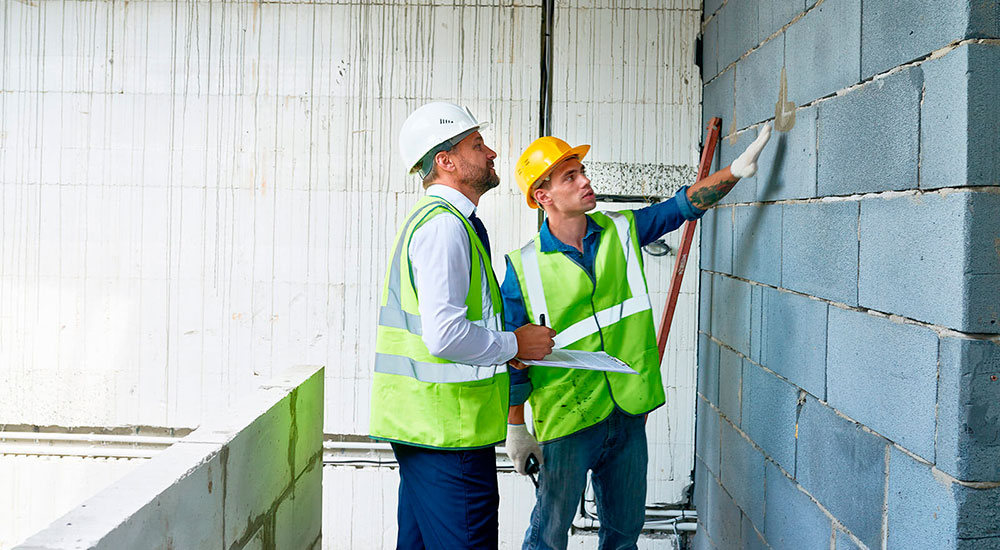
What to Expect During a Commercial and Residential Inspection

Building inspections are a crucial step in maintaining the safety and integrity of any property, whether it’s a commercial building or a residential home. As a commercial building inspector, our job at Faultline BI is to ensure that your property meets all necessary standards and regulations. Here’s what you can expect during a comprehensive commercial and residential inspection.

The Inspection Process

1. Initial Consultation

The inspection process begins with an initial consultation. This is where we discuss the scope of the inspection, any specific concerns you might have, and schedule a convenient time for the inspection. This step is essential to ensure that the building inspector understands your needs and can tailor the inspection accordingly.

1. Exterior Examination

The first part of any building inspection is the exterior examination. For commercial inspections, this includes evaluating the structural integrity of the building, the condition of the roof, parking lots, landscaping, and exterior walls. The goal is to identify any visible issues that might affect the building’s safety or functionality.

For residential inspections, the exterior examination also includes checking the condition of the foundation, roof, siding, windows, and doors. The building inspector will look for signs of water damage, cracks, and other structural issues.

3. Interior Examination

The next step involves a thorough inspection of the building’s interior. In commercial inspections, the building inspector will assess key areas such as HVAC systems, plumbing, electrical systems, fire safety features, and elevators. Each of these components is crucial for the safe and efficient operation of a commercial property.

In residential inspections, the focus is on the condition of the home’s interior, including the attic, basement, walls, ceilings, and floors. The building inspector will also check the functionality of appliances, heating and cooling systems, and plumbing fixtures to ensure everything is in working order.

4. Safety and Compliance Checks

A significant part of building inspections, especially for commercial properties, is ensuring compliance with safety regulations and building codes. This includes checking for ADA compliance, fire safety measures, emergency exits, and any potential hazards that could pose a risk to occupants.

For residential properties, the inspection will include checks for safety hazards like faulty wiring, mold, asbestos, and lead paint. Ensuring that the home meets all safety standards is vital for the well-being of its occupants.

5. Detailed Reporting

After the inspection, the building inspector will compile a detailed report of their findings. This report will include descriptions of any issues found, photographs, and recommendations for repairs or further evaluations if necessary. For commercial inspections, this report is crucial for property managers and owners to make informed decisions about maintenance and investments.

In residential inspections, the report provides homeowners and potential buyers with a clear understanding of the property’s condition and any necessary repairs. This information is invaluable during the buying or selling process, ensuring that all parties are fully informed.

6. Follow-Up and Support

At Faultline BI, our commitment to our clients doesn’t end with the inspection report. We offer follow-up consultations to discuss the findings and answer any questions you might have. Our goal is to provide you with the information and support you need to maintain your property effectively.

Why Choose Faultline BI?

Choosing a qualified and experienced building inspector is crucial for a thorough and accurate inspection. At Faultline BI, our team of certified inspectors has extensive experience in both commercial and residential inspections. We use the latest technology and adhere to the highest standards to ensure that your property is safe and compliant.

Whether you need a commercial building inspector or a residential inspection, Faultline BI is here to help. Contact us today to schedule your inspection and ensure the safety and integrity of your property.

By understanding the inspection process and knowing what to expect, you can be better prepared and more confident in the safety and condition of your property. Trust Faultline BI for all your building inspection needs.